4 minutes read
How to Avoid Homebuyer Remorse Before You Buy
Simple tips to help you avoid buyer’s remorse and feel good about the home you choose.
KB
Kyler Bruno
10/15/2026

Worried you might regret buying a home after you close?
Homebuyer remorse can happen when you rush into a purchase, spend more than you can comfortably afford, overlook major repairs, or realize the home does not fit your lifestyle.
Buying a home in Washington is a major financial decision. Taking a little more time to research the property, understand your budget and think about your long-term needs can help you avoid common home buying mistakes.
10 Ways to Avoid Homebuyer Remorse
1. Know how much home you can afford
One of the easiest ways to end up with buyer's remorse is to spend more than you can comfortably afford.
Your mortgage preapproval shows how much a lender may be willing to lend but that does not mean you should spend the full amount.Your actual housing costs can include your mortgage, property taxes, homeowners insurance, HOA dues, utilities and maintenance.
Before you start looking at homes, decide what monthly payment feels comfortable for you. Leave some room in your budget for unexpected expenses after you move in.
2. Do not let a competitive market pressure you
Some Washington housing markets can be competitive, particularly around Seattle, Bellevue and other high-demand areas. Multiple offers can make you feel like you need to act immediately.
Do not let the fear of losing a home push you beyond your budget or make you ignore concerns about the property.
If you would not want the home at that price without other buyers competing for it, take a step back. Missing out on one property is better than regretting a rushed purchase.
3. Research the neighborhoodbefore you buy
You are not just buying a house. You are choosing where you will live.
Research the neighborhood before making an offer. Look at commute times, traffic, parking, public transportation, nearby services and anything else that affects your daily routine.
Washington buyers should also consider factors such as flooding, drainage, wildfire risk and winter driving conditions, depending on the area.
If possible, visit the neighborhood at different times of day. A location can feel very different during a weekday commute than it does during a weekend showing.
4. Get a home inspection
A home inspection can help you find problems that are not obvious during a showing.
The inspection may identify concerns with the roof, foundation, plumbing, electrical system, heating, windows or other major components of the home. This can be especially helpful when buying an older Washington home.
An inspection does not guarantee that you will find every future problem. It gives you more information before you commit to the purchase.
If the inspector finds a major issue, find out what the repair could cost before deciding whether to move forward.
5. Check the age of major systems
Do not focus only on the home's finishes and appearance.
Ask about the age and condition of major systems such as the roof, furnace or heat pump, water heater, plumbing and electrical system.
A home may look move-in ready but still have several expensive components nearing the end of their useful life.
Knowing what may need to be replaced can help you budget for future repairs and decide whether the home is worth the asking price.
6. Compare the home with similar properties
It is easy to get emotionally attached to a home, especially if it has the kitchen, backyard or view you have been looking for.
Before making an offer, look at comparable homes that have recently sold in the area. Consider differences in size, condition, location and features.
Your real estate agent can help you understand how the property compares with other homes and whether the asking price makes sense for the local market.
You may still decide to pay more for a home you really want, but you should understand what you are paying for.
7. Think about your long-term needs
The home should work for more than just the next few months.
Think about how long you expect to stay and whether your needs could change. You may need more space in the future, start working from home or have other changes that affect what you need from a property.
You do not need to predict the future perfectly. Just consider whether you can realistically see yourself living in the home several years from now.
8. Budget for repairs and maintenance
Your down payment and closing costs are not the only expenses to consider when buying a home.
You will eventually have to pay for maintenance and repairs. That could include anything from replacing an appliance to repairing the roof or heating system.
Older homes may require more immediate attention, while newer homes can still have unexpected expenses.
Try to keep some money available after closing. Having an emergency fund can make unexpected repairs much easier to handle.
9. Be careful with fixer-uppers
A home that needs work can seem like a good deal, but renovation costs can quickly get out of hand.
Before buying a fixer-upper, get realistic estimates for the work you want to complete. Consider labor, materials, permits and the possibility that the project could take longer than expected.
Do not assume that you can renovate the home cheaply just because you plan to do some of the work yourself.
If the home only makes financial sense when every renovation goes according to plan, it may not be the right property for you.
10. Know your deal breakers
Before you start seriously looking at homes, decide what you need from a property.
Your deal breakers might include your maximum monthly payment, commute time, number of bedrooms, parking, location or school area.
Knowing your priorities can help you avoid getting distracted by cosmetic features.
A beautiful kitchen or backyard may make you fall in love with a home, but those features do not necessarily make up for a long commute, major repair needs or a payment you cannot comfortably afford.
Ask Yourself One Last Question Before You Buy
Before you make an offer, take a moment to step away from the excitement and ask yourself:Would I still want this home if I knew another buyer was not interested in it?
If the answer is yes, that is a good sign. If you mainly want the home because you are afraid someone else will buy it, take another look at your decision.
The goal is not to find a perfect home. It is to find a home that fits your budget, lifestyle and long-term plans.
Avoid Home Buyer Remorse by Doing Your Homework
Home buyer remorse is not always avoidable, but you can reduce the chances of experiencing it by making an informed decision.
Know what you can afford, research the property and neighborhood, get a home inspection, understand potential repair costs and do not let market competition push you into a decision you are not comfortable with.
If you are buying a home in Washington, working with the right real estate agent can also give you another perspective before you make an offer.
Ready to Buy a Home in Washington?
Buying a home doesn’t mean you have to navigate the process alone.
WithJoy connects Washington homebuyers with local real estate agents and offers a buyer agent commission rebate.
Start exploring homes with WithJoy and see how much you could save when you buy.
Related Guides

What is an Appraisal Contingency When Buying a Home?
A quick, clear guide to how appraisal contingencies work when you buy a home.
KB
Kyler Bruno
11/07/2025

Is Finding your Dream Home Possible?
A perfect home isn’t built, it’s made over time, with love, mess, and memory.
KB
Kyler Bruno
07/25/2025

When Can You Lock in a Mortgage Rate?
A quick guide to when you can lock in your mortgage rate.
KB
Kyler Bruno
11/05/2025

Full Service Home Buying - WithJoy.AI
Find Your Home Today
The future is here. Buy your next home WithJoy.AI
Trending Neighborhoods
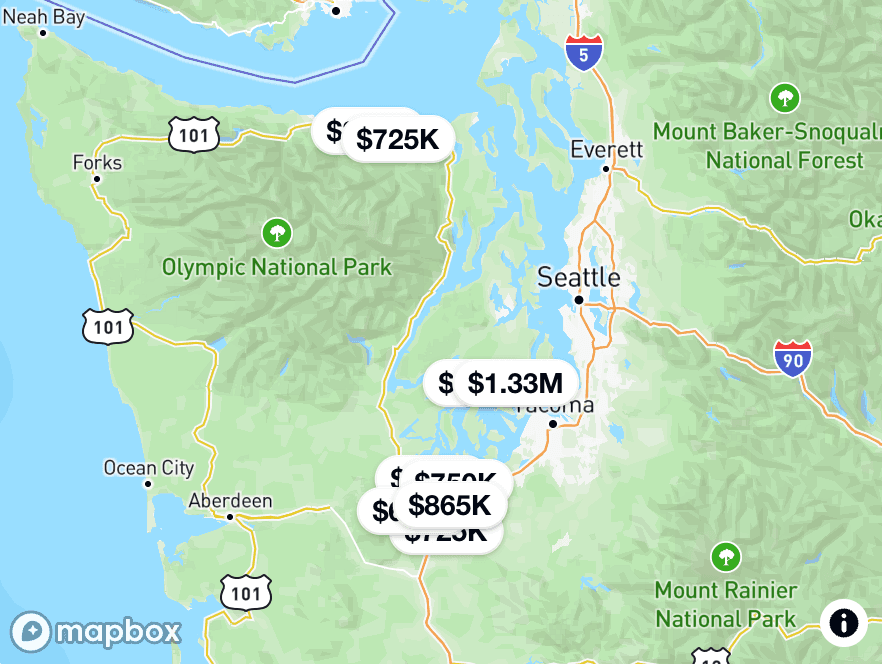
Best Places to Retire
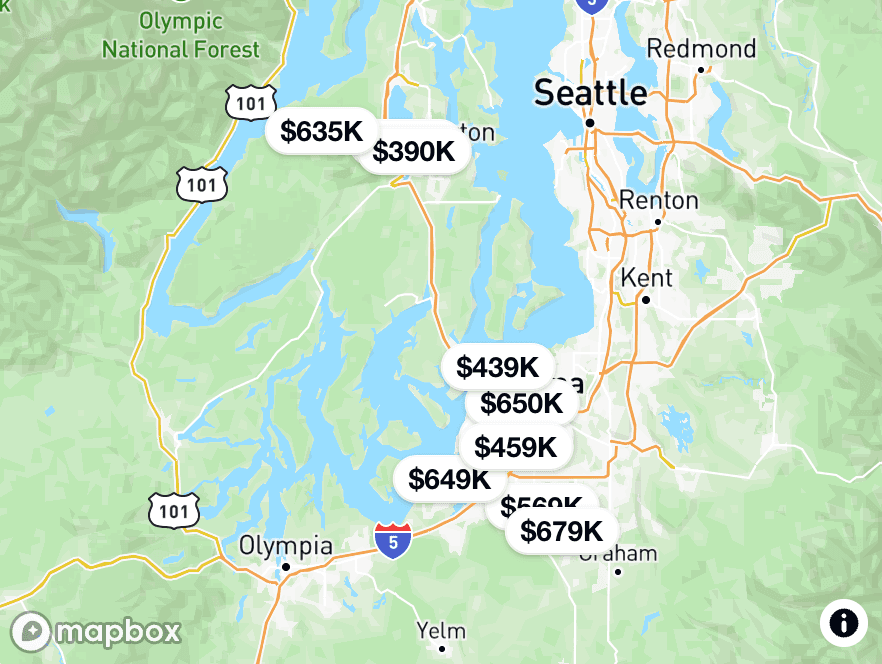
Best Affordable Areas Near Seattle
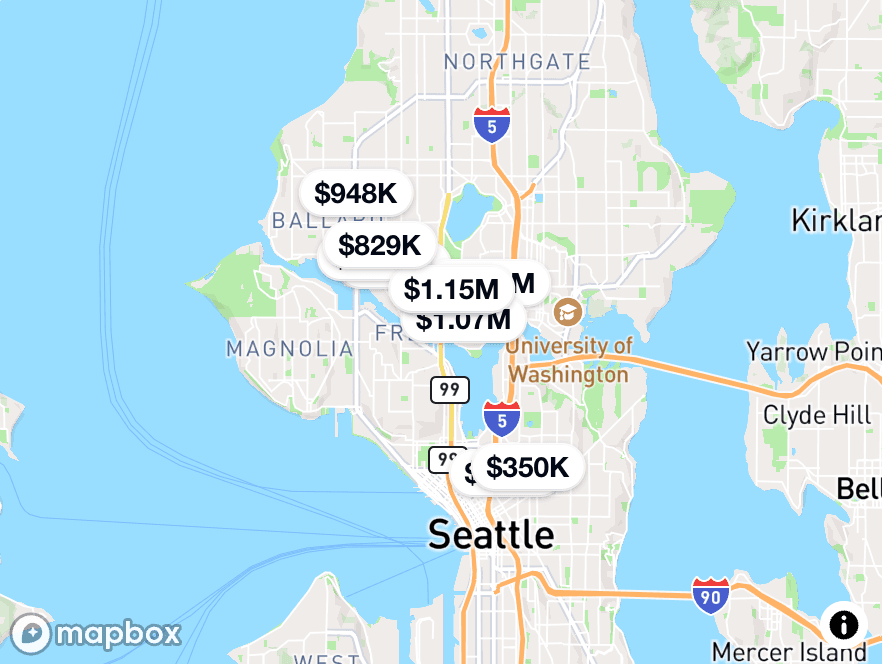
Best for Young Professionals
Best Family Neighborhood Seattle